





.png)






.png)


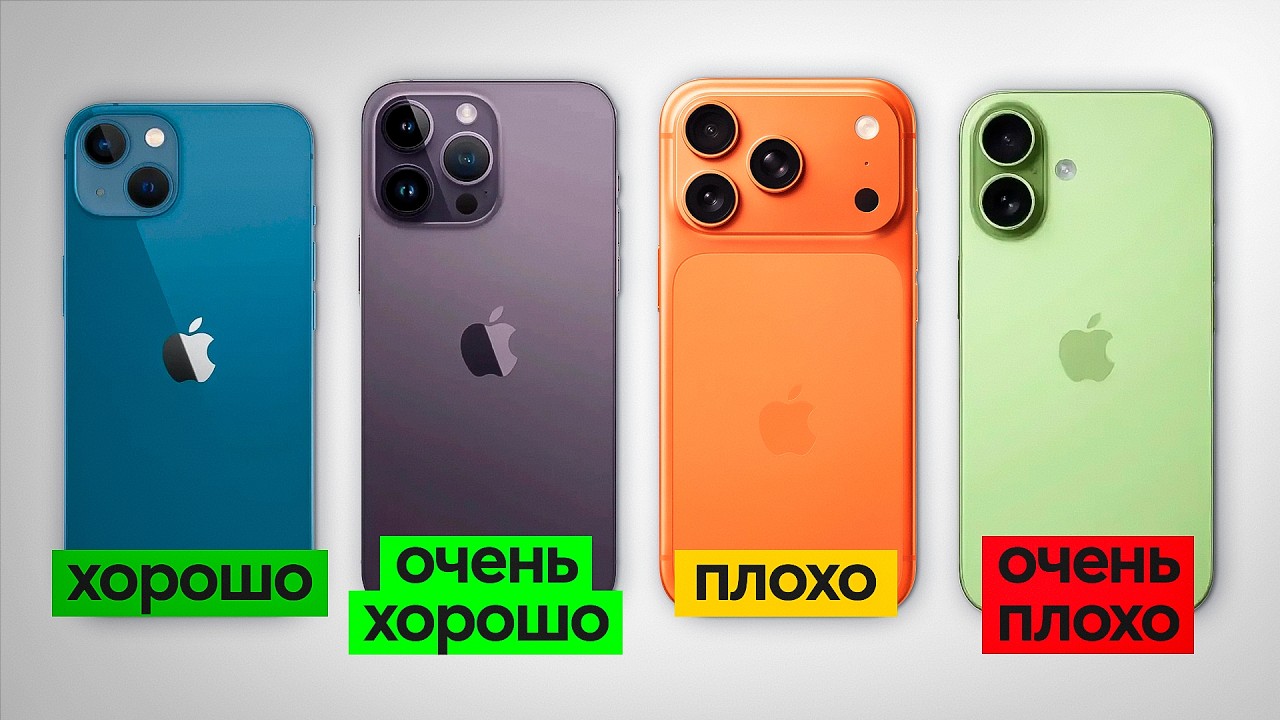
The iPhone market in 2026 resembles a minefield. Some models look like a good deal — but in reality, it's money spent on problems. Others cost more than you'd like, but will serve for years without a single reason for disappointment. And some, at similar prices, differ so much that the choice is obvious — if you know where to look.
Hard No: iPhone 13 and Everything Older
Let's start with the unpleasant — what to forget once and for all.
iPhone X, XR, XS, 11, 12, 13 — no matter how cheap they are, this is a bad purchase in 2026. They still turn on, Telegram and Instagram launch on them. But then the specific problems begin.
Software support. Most of these models have already lost iOS support or will lose it soon. This isn't about missing new emojis — it's about data security, apps that will start glitching, crashing, or refuse to update. Some banking apps already refuse to work on outdated iOS versions.
Battery. If someone is selling an iPhone 11, 12, or 13 "in excellent condition" — the battery has been through hundreds of charge cycles. You buy the phone, and in a couple of months it doesn't last until evening. Carrying a power bank as a permanent accessory isn't a lifestyle — it's a symptom of a bad purchase.
Performance. New app versions are heavier, websites are greedier, iOS AI features demand more resources. A13–A15 processors handled everything fine in their day. In 2026, they start struggling where new chips don't even break a sweat.
Specifically About iPhone 13
Many call it the "budget king" — cheap and works, why overpay? Here's why: finding it new is already impossible, and the used market is a lottery. Worn-out battery, hidden motherboard issues, scratched screen. 4 GB of RAM in 2026 is already noticeably insufficient for proper multitasking.
Even if offered as a gift — think twice. Such a "gift" means future repair costs and disappointment from a phone that can't keep up.
Bare Minimum on a Tight Budget: iPhone 14 and 14 Pro
If the budget is truly tight, but an iPhone is a firm decision, then the iPhone 14 or 14 Pro is the minimum that still makes sense to consider.
The base iPhone 14 runs on the A15 Bionic — the same platform as in the 13th, but in a more powerful version that Apple put in the previous year's Pro models. 6 GB of RAM instead of 4 GB — a small but real headroom for the future. Social media, messengers, browser, YouTube — everything works fine. Heavy games at max settings may stutter, but for everyday tasks, it's enough.
The iPhone 14 Pro is a different conversation entirely. The A16 Bionic processor is noticeably faster. The 120Hz ProMotion screen — this is felt physically: after smooth scrolling, going back to 60Hz is unpleasant, everything seems slow and jerky. Triple camera with telephoto, Dynamic Island instead of the notch, more premium materials. It's a full flagship — just last generation.
If the alternative is an old Android or nothing at all, and the budget doesn't allow for more, the 14th covers basic needs. Just understand: this is the minimum entry into the Apple ecosystem, not a purchase with a five-year margin. If you can add a bit to reach the 15 Pro — add it.
Good Choice on a Slightly Above-Average Budget: iPhone 15 and 15 Pro
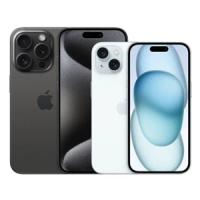
The iPhone 15 is a different level of conversation. A16 Bionic processor (same as the 14 Pro), 48-megapixel main camera, Dynamic Island, USB-C instead of Lightning, noticeably brighter screen — 2,000 nits, readable in sunlight without shading. Photos from the 48 MP give significantly more detail and cropping flexibility. This phone will serve three to four years without problems.
The iPhone 15 Pro is already a serious tool. The A17 Pro processor remains one of the best mobile chips even in 2026. 8 GB of RAM — a big headroom for the future: when apps and AI features get heavier, this phone won't notice. 120Hz screen, triple camera with telephoto, titanium body, Action Button. A minimum of five years of relevance — without compromises.
The choice between the base 15th and 15 Pro comes down to one thing: if the Pro's price is reasonable — get the Pro. The difference in capabilities is tangible, the difference in service life even more so. The base 15th is also good, but the 15 Pro is a purchase with a margin.
Buy Without Hesitation: iPhone 16 Pro and 16 Pro Max
iPhone 16 Pro


iPhone 16 Pro Max


After the 17 series launched, 16 Pro prices dropped — and now it's one of the best value points in the entire Apple lineup.
The A18 Pro processor handles absolutely everything without exception: games at max settings, 4K video editing, dozens of apps open simultaneously — all without the slightest strain. Triple camera with telephoto, excellent night mode, ProRes recording. 2,000-nit screen brightness — visible in sunlight without question. Battery lasts a full day with active use. The titanium body handles daily wear well — and doesn't scratch as easily as the 17th's aluminum.
The main argument for the 16 Pro in 2026 is the ratio of capability to price. The difference between the 16 Pro and 17 Pro in real-world use is minimal: slightly brighter screen in extreme conditions, slightly better front camera, a bit more RAM. Paying a substantial premium for that isn't the best decision.
If your current phone is older than the iPhone 15 Pro, and you don't have a strong desire to get the newest model — the 16 Pro covers all needs and will remain relevant for at least five years.
Pass: Base iPhone 16
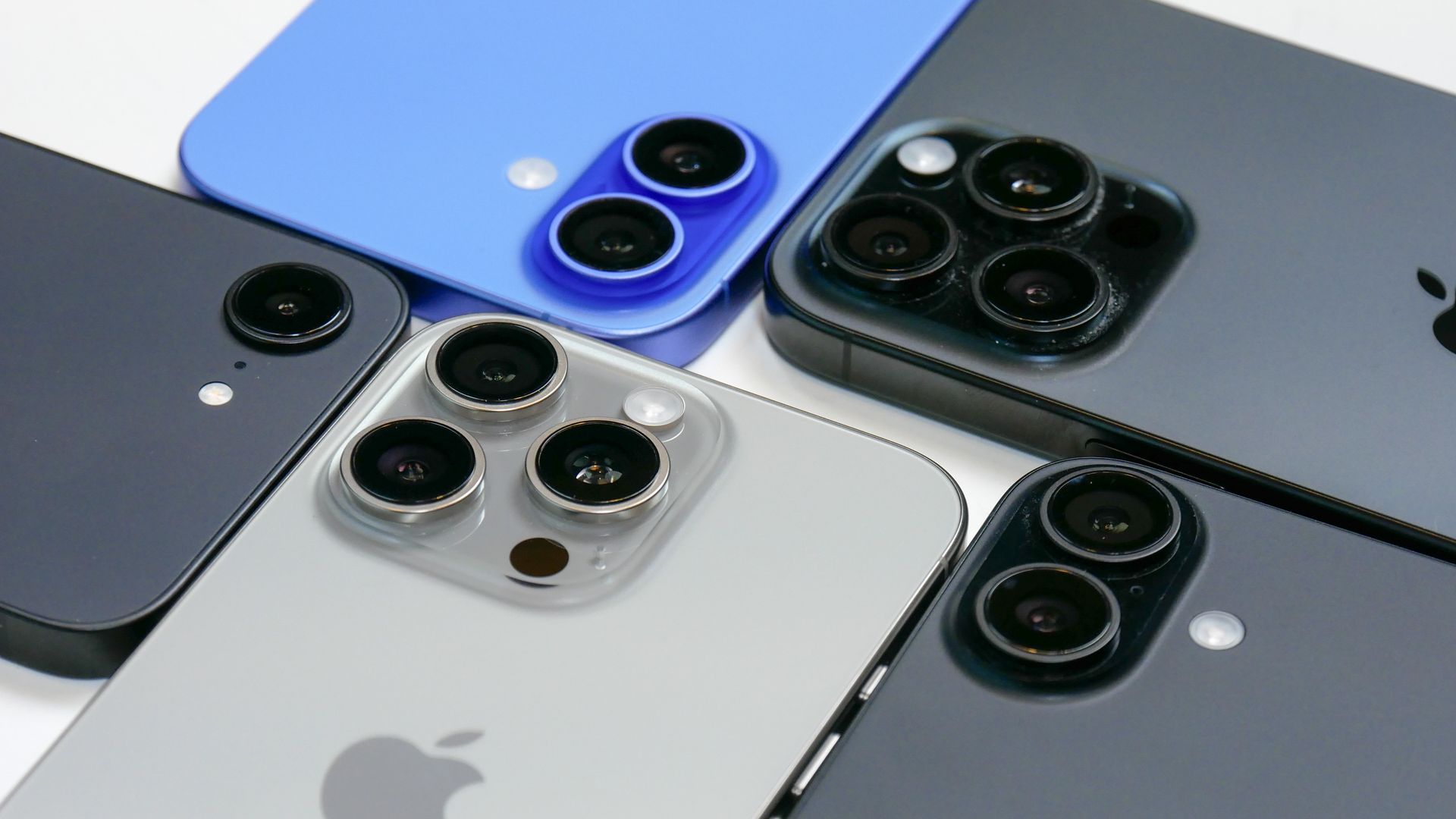
Despite its recency, the base iPhone 16 in 2026 is a questionable purchase that you can quickly regret.
The reason is one: the base iPhone 17 is better in all key parameters. Newer processor, 120Hz screen — which the 16th still doesn't have — better battery, fresh design. At a comparable price, this isn't a choice. The base 16th is justified only if its price is significantly lower and the budget is strictly limited. In all other cases — look toward the 17th.
Best Purchase of 2026: Base iPhone 17
iPhone 17 at great prices




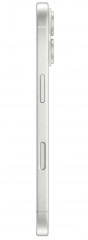


This is the unexpected hero of the current lineup.
Previously, "base iPhone" meant: 60Hz, last-generation processor, lesser camera, smaller battery. A purchase for those who "couldn't afford Pro." With the iPhone 17, that logic broke.
The A19 processor — the same as in the iPhone 17 Pro. Not a cut-down version, but a full flagship chip. 120Hz ProMotion screen — finally in the base model. 3,000-nit brightness — higher than the iPhone 16 Pro Max. Battery lasts a full day with active use. The main 48-megapixel camera works at practically the Pro level in standard scenarios.
What's missing: telephoto, ProRes video, some professional shooting features. For 90% of users, these features aren't part of daily use at all.
The base iPhone 17 is the first base model in a long time that can be recommended without caveats. It costs about 3,200 AED less than the Pro Max and covers all needs for most buyers.
A Separate Story: iPhone Air
iPhone Air at great prices


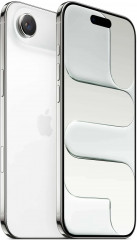


The iPhone Air is a newcomer with character. Very thin, very light — the in-hand feel is fundamentally different from any other model in the lineup. Vibrant colors, premium materials, a design that stands out.
But honesty requires naming the compromises. Thin body — smaller battery: with active use, you need a charge by evening. One main camera without telephoto. No full set of Pro features. And despite its beauty — fragile: in a case the elegance is lost, without a case every drop is stress.
The iPhone Air is a conscious choice for those who value aesthetics and weight over functionality. Not a compromise from ignorance, but a deliberate priority. If design is number one — the Air is made for exactly that.
Selection Map
| Model | Who it suits | Key point |
|---|---|---|
| iPhone 13 and older | No one | Outdated support, battery, performance |
| iPhone 14 | Very tight budget | Minimum entry, no headroom |
| iPhone 14 Pro | Limited budget | 120Hz, A16 — acceptable |
| iPhone 15 | Budget slightly above | 3–4 years without questions |
| iPhone 15 Pro | Good budget | A17 Pro, 5 years of relevance |
| iPhone 16 base | If significantly cheaper than 17th | Otherwise — look at the 17th |
| iPhone 16 Pro / Pro Max | Don't want to overpay for the new model | Best price for flagship capabilities |
| iPhone 17 base | Most buyers | Best purchase of 2026 |
| iPhone 17 Air | Design over features | Conscious choice, not for everyone |
| iPhone 17 Pro / Pro Max | Pro shooting, large screen | Only for specific tasks |
Buying an iPhone isn't a competition. A phone for 2,800 AED and a phone for 7,200 AED in most scenarios do the same equally well. The difference is in those 10% of tasks that are worth honestly checking: do they even exist in daily life?
You can check current prices and availability for all models in the Techno Buyer catalog.
0 comments