









.png)




























.png)


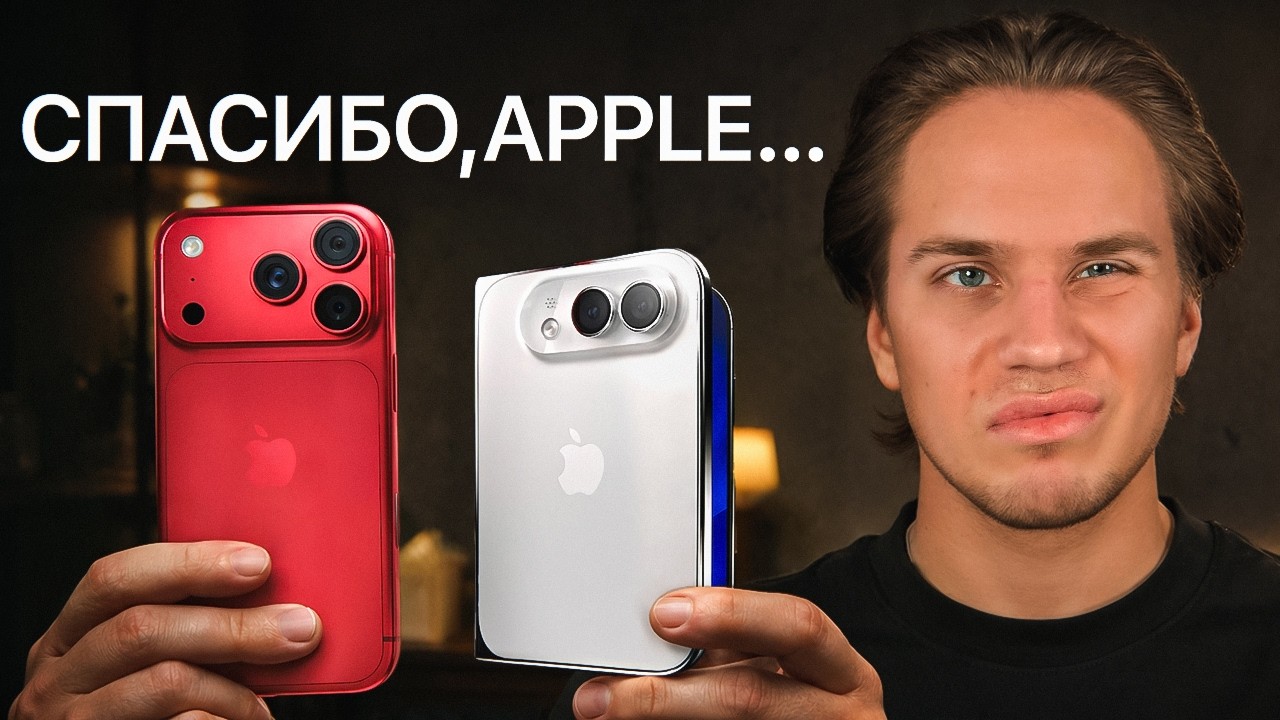
Every year, Apple creates intrigue. Fall 2026 promises to be landmark in its own way — but for a different reason. Judging by the accumulated leaks, the iPhone 18 Pro risks becoming the most predictable flagship in the last five years. At the same time, Apple is preparing something genuinely new — and the combination of a boring main flagship with an unexpected novelty makes the situation interesting to analyze.
Below is a detailed analysis of everything known about the iPhone 18 lineup as of May 2026: design, cameras, performance, the foldable form factor, and an honest answer to the question of who should upgrade this fall.
Design Without Surprises
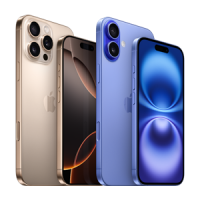
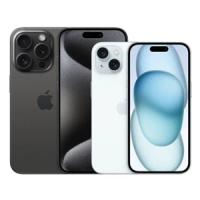
Let's start with the main disappointment. According to reliable insiders, the iPhone 18 Pro and Pro Max will get a practically identical body to the iPhone 17 Pro. The same aluminum, the same flat edges, the same overall geometry. Place both phones side by side — most people won't tell them apart without a hint.
Bezels might become a fraction of a millimeter thinner, but without calipers you won't see the difference. The Dynamic Island isn't going anywhere — under-display camera technology is held back by Apple until at least the iPhone 19, more likely the anniversary 20th generation. In the iPhone 18 Pro, the Dynamic Island may shrink by about 35%, but whether that's genuinely noticeable in daily use without a ruler is a rhetorical question.
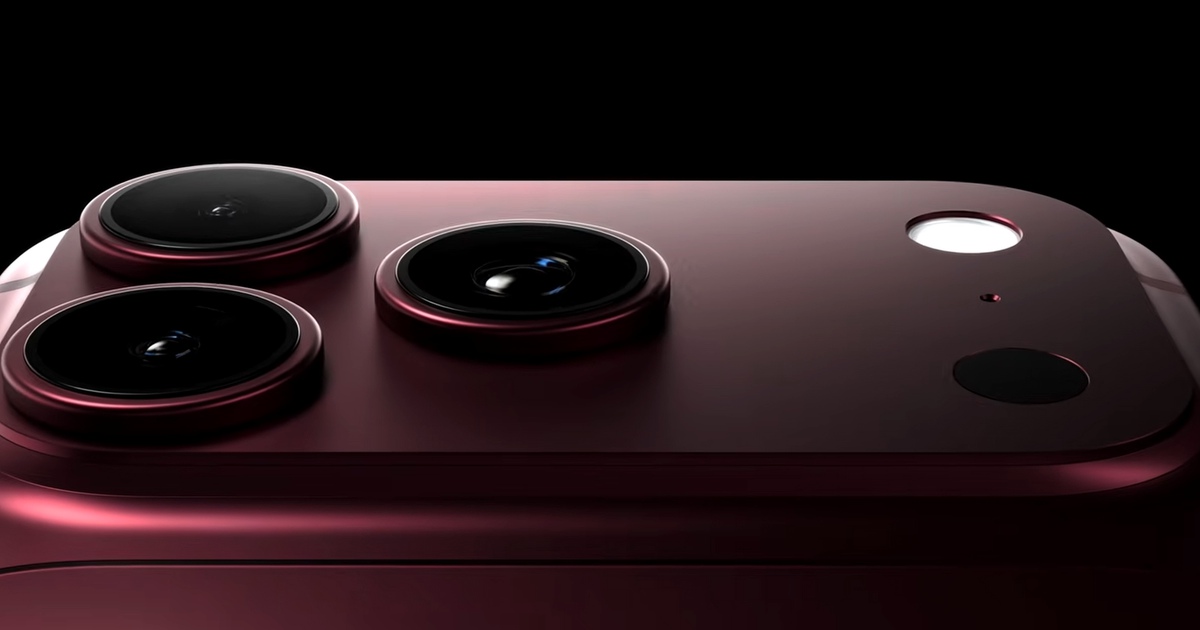
The one area where Apple clearly tried — the color palette. According to leaks, the new shades are more interesting than last year's. For those who care about the device's appearance, that's an argument. For everyone else — it isn't.
This is a classic "S-update" that Apple simply didn't risk naming as such. The iPhone 5 and 5S, the iPhone 6 and 6S were visually twins. History repeats itself, just without the letter in the name.
Fall Strategy: Choice Without Alternatives
To understand the full picture, you need to step beyond the specs and look at Apple's strategy more broadly.
According to insiders, in fall 2026, only expensive models will appear at the presentation: iPhone 18 Pro, iPhone 18 Pro Max, and the new foldable form factor. The base iPhone 18, 18e, and Air 2 models, according to leaks, will get a separate spring 2027 presentation.
For the buyer, this means a specific situation: in the fall, the choice comes down to a flagship with last year's design at the same price or a foldable device for astronomical money. No affordable alternatives in the hottest season. Apple is carefully backing the audience into a corner, leaving no room for maneuver.
Cameras: Upgrades on the Established Path
The camera has always been the main argument for upgrading to iPhone Pro. Let's see what Apple has in store this time.
The main rumored novelty is a variable aperture on the main 48-megapixel module. The camera will be able to physically change the aperture size, like on DSLR cameras. In practice — more control over exposure and depth of field in different lighting conditions. For those who seriously shoot with a smartphone, this is a meaningful change.
Additionally: an improved telephoto with 8–10x optical zoom, an updated front camera with resolution growing from 18 to 24 megapixels.
All of these are real improvements. But there's no fundamentally new logic in them — Apple is moving along the established path of methodical parameter upgrades. There won't be an under-display front camera in the 18 Pro. No fundamentally new shooting modes that would change the process itself are expected either. For owners of the iPhone 16 Pro or 17 Pro, the difference in everyday shooting will be modest.
Performance: Excessive Power
Under the hood, the iPhone 18 Pro will get the new A20 Pro chip on a 2-nanometer process. Energy efficiency gain — over 30% compared to the A19. RAM, according to rumors, will grow to 8 or even 12 GB. On paper — impressive.
But here a fair question is in order: when was the last time the iPhone 16 Pro or 17 Pro lagged in everyday tasks? Feed scrolling, messengers, browser, photos, video calls — all flies on chips from two or three years ago. Modern flagship Apple processors have long been excessive for 99% of users.
The real bonus from the A20 Pro for most people will express itself in an extra 30–60 minutes of battery life. Battery-wise overall — without revelations: the Pro Max will get a minor capacity increase, no record-breaking figures are promised.
iPhone Fold (Ultra) — This Is Where All the Innovation Went
While the iPhone 18 Pro looks like a diligent but predictable upgrade, all of Apple's innovation energy, judging by everything, went into a completely different device.
The main intrigue of the year is the first foldable Apple smartphone. In leaks, two working names appear: iPhone Fold and iPhone Ultra. The final one hasn't been approved yet.
According to insider descriptions, the device is in a "book" form factor, similar to the Samsung Galaxy Z Fold. The outer screen is about 5.3 inches, the inner — an almost square 7.8-inch display. Essentially, a smartphone that turns into an iPad mini with one motion.
Apple seriously worked on eliminating the main problem of foldable screens — the noticeable crease. A new coating and a reworked hinge mechanism are used. How unnoticeable the crease will be in real conditions will be shown by tests after release.
An interesting compromise for the sake of a thin body: Face ID will be replaced by Touch ID in the power button — like on the iPad. For those used to Face ID in recent years, this is an unexpected step.
And now the main thing. Various sources name the price tag from $2,000 to $2,500 for the base version. Two and a half thousand — the price of two iPhone 17 Pros. The most expensive iPhone in Apple's history.
Here, perhaps, lies the plan: the iPhone 18 Pro is intentionally made boring so that the foldable flagship seems more contrasting and desirable against its background. But the price tag turns the foldable iPhone into a niche product for a narrow audience — those for whom price isn't a selection criterion.
Should You Get the iPhone 18 Pro
Let's put the picture together.
In fall 2026, Apple will offer the following choice: a flagship with last year's design and evolutionary improvements, or a foldable smartphone at the price of two flagships. Base models — only in spring 2027.
Upgrading makes sense in three cases:
- Owners of the iPhone 15 Pro and older. Over two generations, a real difference in cameras, battery life, and performance accumulates — the upgrade will be tangible
- When switching from Android or buying a first iPhone — the choice is obvious, the 18 Pro will be the best Apple smartphone on the market at launch
- Those who care about cameras: variable aperture and an updated telephoto are real arguments for those who shoot seriously
Shouldn't upgrade:
- Owners of the iPhone 16 Pro and 17 Pro. The difference will come down to a couple of new body colors and a barely noticeable Dynamic Island reduction. Better to save the money
- Those waiting for a fundamentally new experience — the foldable iPhone is here, but it costs as much as a used car
- Those who counted on an under-display camera or a new design — you'll have to wait until at least 2027
The iPhone 18 Pro is an honest, solid smartphone. Just not the one everyone was expecting in fall 2026.
0 comments