








.png)


















.png)


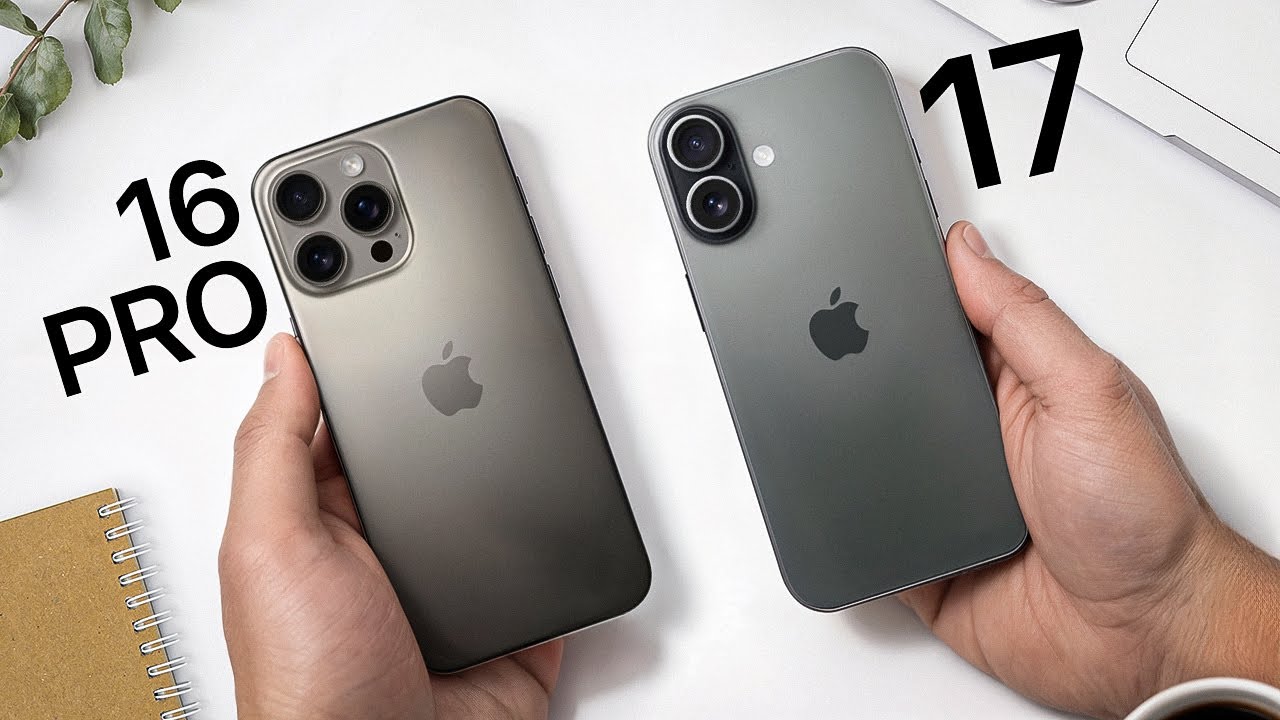
The iPhone 16 Pro currently costs around 3,000 AED. For the same money, you can get a new iPhone 17 with twice the storage. The question is what you lose in the process — and whether that loss is worth it.
The Techno Buyer team tested both phones. Below is a category-by-category breakdown without marketing fluff.
Design: Titanium vs Aluminum
The frame on the iPhone 16 Pro is titanium. On the 17th, it's aluminum. Sounds like an obvious Pro advantage. But if you use a case — and most people do — the difference in frame material stops mattering by the second day.
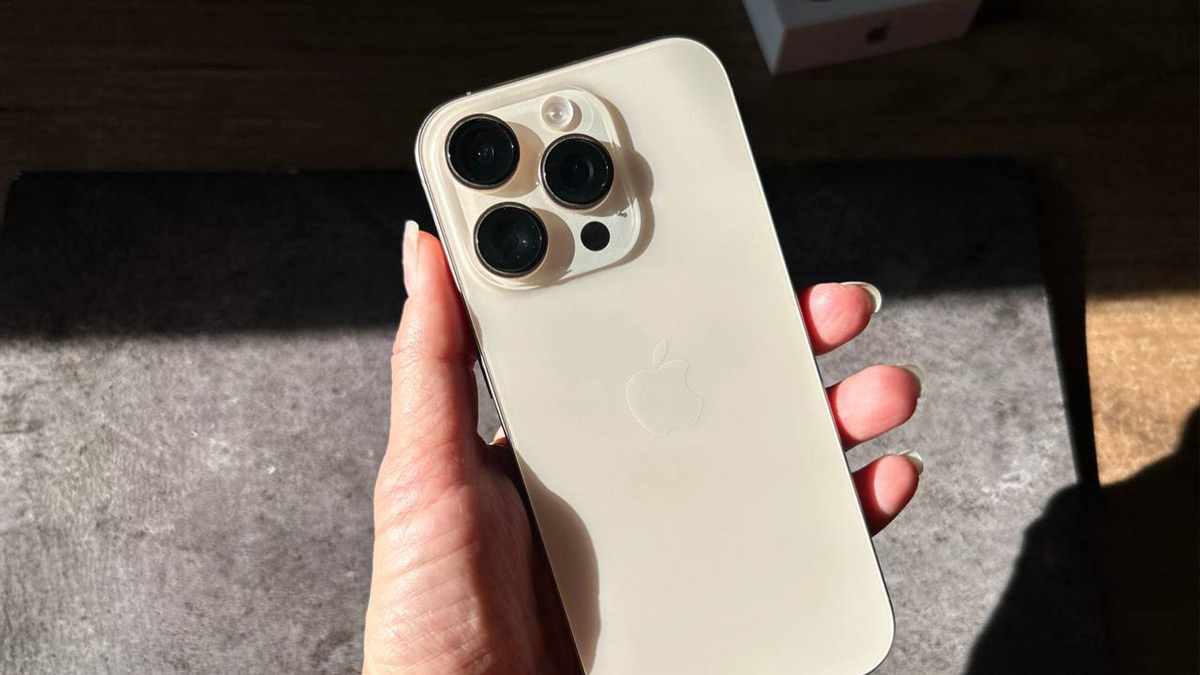
iPhone 16 Pro


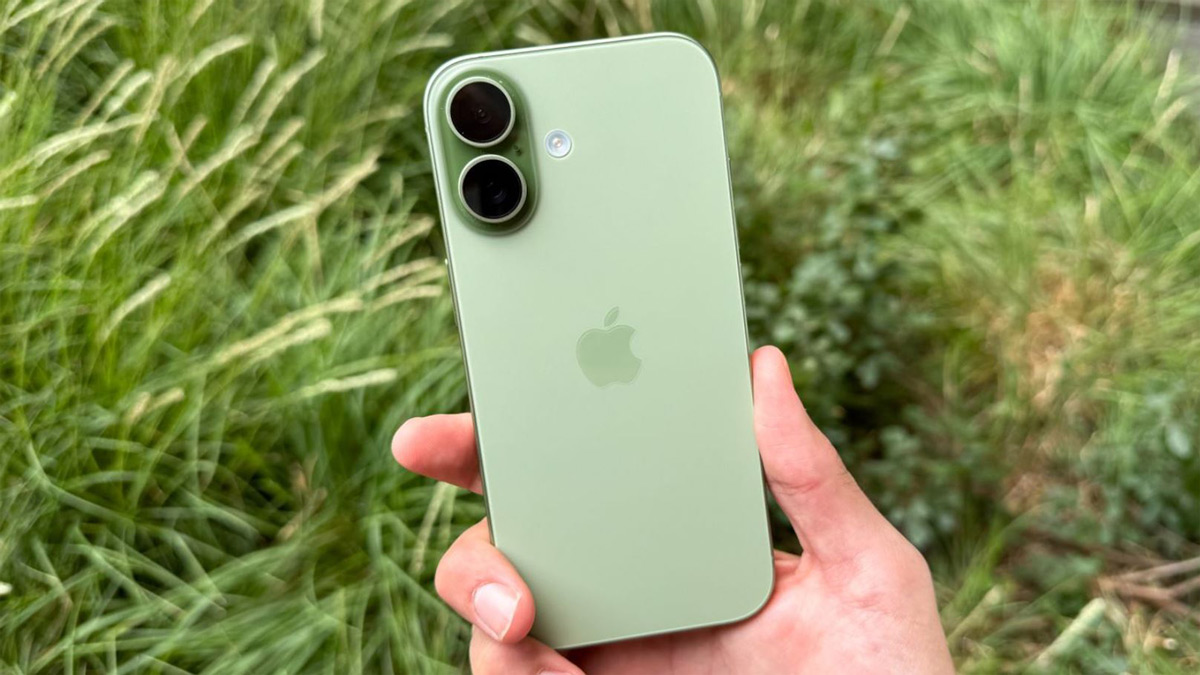
iPhone 17


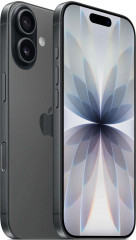


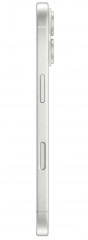


Without a case, titanium is more durable. The advantage is theoretical — in real use, it almost never shows up.
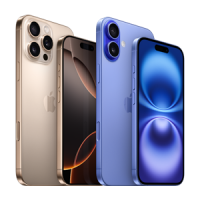
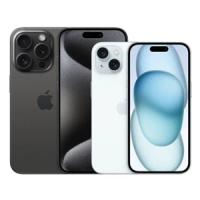
Visually, both phones are similar. The main difference is the camera module: the 16 Pro has three lenses, the 17 has two. Some will find the compact camera block of the iPhone 17 more elegant; others are used to the triple camera of the 16 Pro as Apple's signature look. It's a matter of taste, there's no right answer.
Another detail: the 16 Pro is about 20 grams heavier. It's barely noticeable, but in the hand it adds that feeling of a "premium object."
Display: The Base iPhone Is Brighter Than the Pro
On the outside — nearly identical: 6.3 inches, thin bezels, 120Hz. But inside there's a fundamental difference.
The iPhone 17 outputs 3,000 nits. The iPhone 16 Pro — 2,000. That's a 1.5x difference. In direct sunlight, this is felt physically: the 17 reads without strain, while on the 16 Pro you have to squint. Anyone who's ever checked a text message outdoors under bright summer sun understands how important this is.
Plus, the 17 has new Ceramic Shield 2 glass. Apple promises better scratch resistance. Honestly — no noticeable difference, but it certainly didn't get worse.
The display verdict is unexpected: the base iPhone 17 beats last year's Pro. No questions about it.
Performance: Faster on Paper, Identical in Real Life
The iPhone 16 Pro has the A18 Pro. The iPhone 17 has the new A19. In synthetic benchmarks, the A19 is about 5–10% faster and more efficient: less heat, better battery economy.
But in real-world use, no one will feel the difference. Both open apps instantly. Genshin Impact at max settings — no overheating or drops on either. Video editing, multitasking, browser with dozens of tabs — all equally smooth.
Both have 8 GB of RAM, both fully support Apple Intelligence. Buying a phone "for the power" in 2026 makes no sense: both handle everything that exists — and will keep handling it for a long time.
Battery and Software: Parity
Both last about 8–9 hours of active use. Enough for a full workday without question — it's not a Pro Max with its two-day battery life, but it's not a source of anxiety either.
The iPhone 17 lasts slightly longer: the new chip plus optimizations give a gain of about half an hour. On the scale of a day, unnoticeable. Wireless charging — 25 watts via MagSafe on both.
Software-wise — same story. Both run iOS 26.1. Liquid Glass, Always-On Display, Action Button — on both. No software advantages for Pro anymore. The argument "for long-term support" doesn't work either: Apple updates smartphones for seven years, and most people will want to change their phone well before that.
Cameras: Nearly Equal, With One Important "But"
The main camera is 48 MP on both. The ultrawide is also 48 MP. These two lenses are what 90% of all photos are taken with. In tests in daylight, evening, and indoors, the results were very close: sometimes the 17 was slightly better, sometimes the 16 Pro. This is a difference in processing algorithms, not in hardware. Colors, sharpness, night mode, photographic styles, Cinematic mode, Action Mode — all present on both at a high level.
Where the Pro pulls ahead — telephoto. The 16 Pro has a third lens: 12 MP with 5x optical zoom, digital up to 25x. The iPhone 17 has no telephoto. Only 2x crop from the main sensor and a maximum of 10x digital zoom.
Does it matter? Depends on your habits. Concerts, sports, nature from a distance — telephoto will be used constantly. Food, friends, everyday life — you'll never notice the difference.
The 16 Pro also has ProRAW and ProRes. Professional formats for serious post-processing. But RAW files look flat "out of the box" and need work in Lightroom or similar. For regular shots, standard formats give a beautiful result immediately, without extra effort. If you don't shoot professionally — ProRAW and ProRes will simply go unused.
Front Camera: The 17 Wins Outright
This is the most unexpected result of the comparison — and the most specific.
Apple put an 18 MP front camera in the iPhone 17. The 16 Pro has 12 MP. The 17's sensor is larger, with better light gathering. The difference is visible immediately: selfies on the 17 are sharper, more detailed, with better shadow rendering. Especially in non-ideal lighting — evening in a cafe, indoors without a bright window.
The square sensor lets you shoot both vertically and horizontally without rotating the phone: the camera crops the needed portion automatically. For video calls — genuinely convenient.
Plus dual recording mode: simultaneous recording from the front and main camera, picture-in-picture. For social media and stories — a practical feature that the 16 Pro doesn't have.
If you take selfies often, make video calls, or run social media — the 17 wins with a clear margin.
Storage and Price: The Math Doesn't Favor the Pro
The iPhone 17 starts at 256 GB and costs around 2,800 AED.
The iPhone 16 Pro starts at 128 GB and costs around 3,000 AED.
For less money — twice the storage. Want a 16 Pro with the same 256 GB? You'll have to pay extra — it'll come to about 3,400 AED. That's 600 AED more than the iPhone 17 with the same storage capacity.
The situation is stark: for the same money, the buyer chooses between a new iPhone 17 with 256 GB and last year's Pro with 128 GB. Half the storage for the same money — that's not a nuance, it's a fundamental inequality.
By Category — Quick Summary
| Category | iPhone 17 | iPhone 16 Pro |
|---|---|---|
| Display brightness | 3,000 nits ✓ | 2,000 nits |
| Chip | A19 — more efficient ✓ | A18 Pro |
| Front camera | 18 MP ✓ | 12 MP |
| Dual recording | Yes ✓ | No |
| Main + ultrawide | 48 + 48 MP | 48 + 48 MP |
| Telephoto | 2x crop | 5x optical ✓ |
| ProRAW / ProRes | No | Yes ✓ |
| Base storage | 256 GB ✓ | 128 GB |
| Starting price | ~2,800 AED ✓ | ~3,000 AED |
| Frame material | Aluminum | Titanium ✓ |
Who Should Buy What
iPhone 17
The iPhone 17 is the right choice if:
- You need a current smartphone with maximum features for a reasonable price
- You take selfies often, run social media, make video calls
- Display brightness outdoors matters to you
- Telephoto and professional shooting formats aren't on your priority list
iPhone 16 Pro
The iPhone 16 Pro is worth getting if:
- You regularly shoot things at a distance: sports, concerts, nature
- You need ProRes for professional video work
- A titanium body without a case matters to you
- The ~600 AED difference for the 256 GB version isn't critical
The Bottom Line
In 2026, the "base" iPhone rewrote the familiar rules. Better display, better front camera, new chip, twice the storage — and it's cheaper. The only thing you're really paying for with the 16 Pro is the optical telephoto lens and professional shooting formats. If you need those — the choice is obvious. If not — there's no reason to overpay for last year's flagship.
You can check current prices and availability for both models in the Techno Buyer catalog.
0 comments