














.png)































.png)


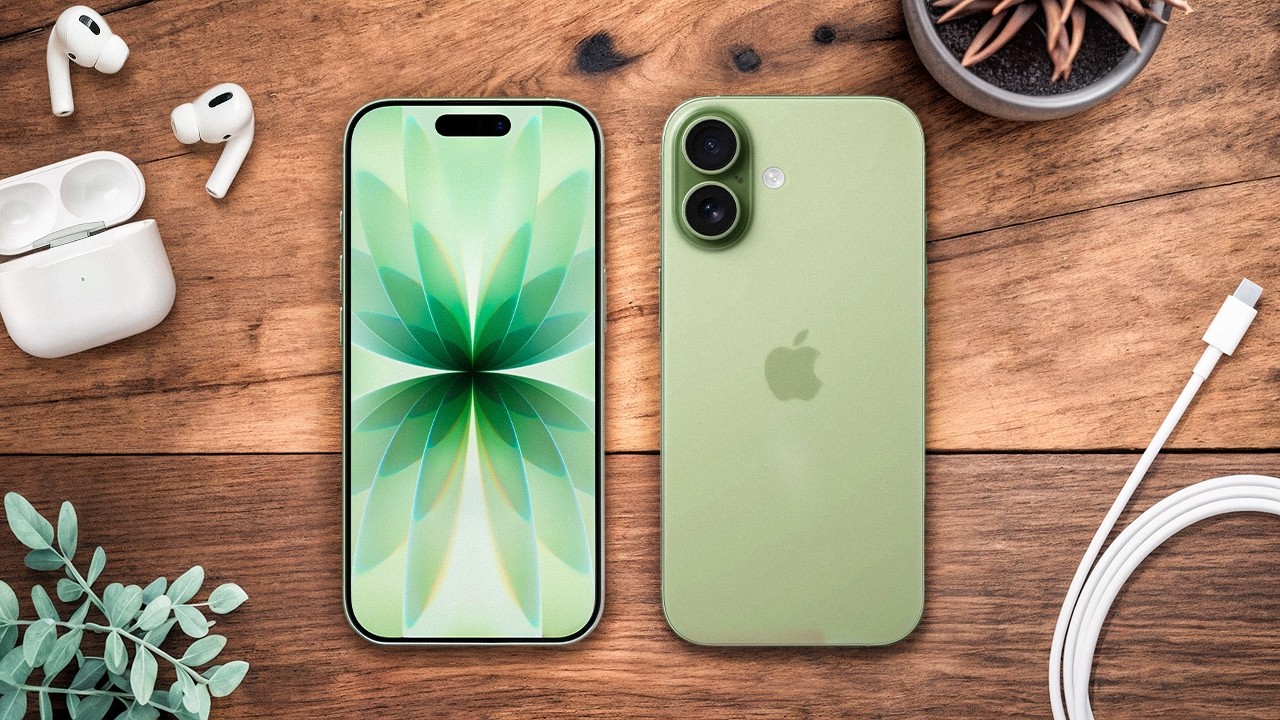
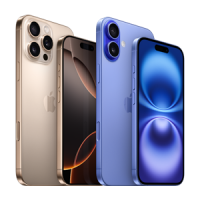
For years, Apple kept users on the same hook. Want a smooth screen — pay extra. Want a proper camera on both modules — pay extra. Want to not count remaining gigabytes after half a year — also pay extra. The base iPhone was always just a bit worse than needed — exactly enough to make you look toward Pro.
In the 17 lineup, the scheme broke. The iPhone 17 got so many features from the higher lineup that for the first time in years, there's an honest question: what exactly do you pay more for in Pro? After a week of real use — a detailed breakdown.
iPhone 17 at great prices


What Changed in the Lineup
Previously, the compromises in the base iPhone were intentional. 60Hz instead of 120Hz, 12 MP on the ultrawide instead of a proper sensor, 128 GB of starting storage, after which a "storage full" notification appeared in six months. People bought Pro not because they needed a professional tool, but simply to not upgrade in a year.
The iPhone 17 removed the main limitations: now the "base" has a ProMotion 120Hz display, Always-On, two 48 MP modules, and 256 GB of starting storage. This is a different class of device at the same base price.
Design
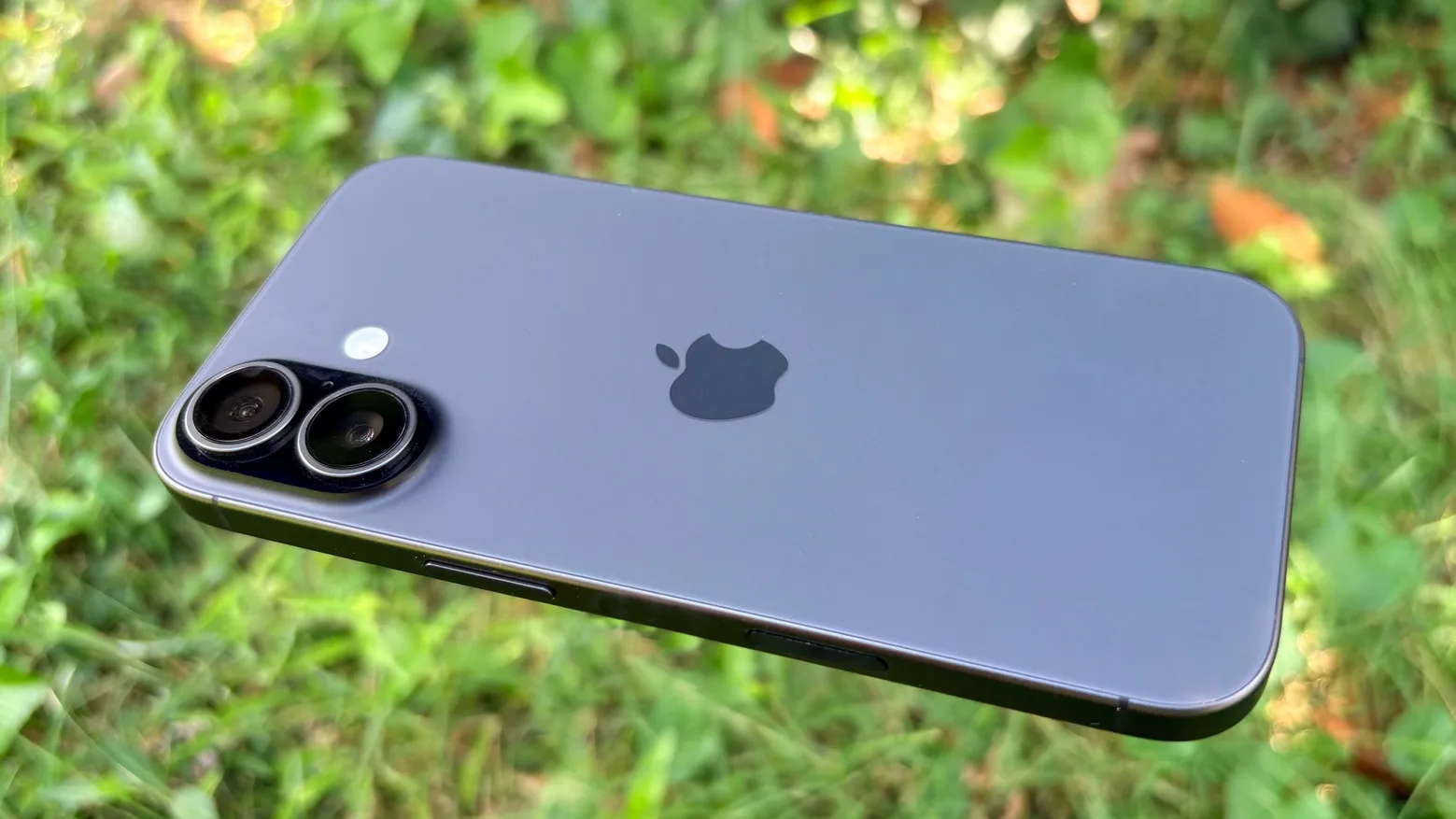
Visually, the iPhone 17 doesn't surprise — it's an evolution of the iPhone 16. Bezels got thinner, the screen grew to 6.3 inches with nearly unchanged body dimensions. Ceramic Shield 2 protective glass — Apple claims tripled scratch resistance. After a week without a case — not a single scratch.
Colors updated: Lavender, Sage, Black, White. Matte shades look restrained and premium. The phone sits in the hand confidently, build quality is without questions. Now — only the characteristics that genuinely change the experience.
120Hz: Finally Without Extra Payment
This is the main change for most. ProMotion at 120Hz in the base iPhone means that feed scrolling, gallery swiping, switching between apps — all of it became different. After 60Hz, it's like upgrading from economy to first class: you don't want to go back.
Always-On display was added. The phone lies on the desk — time, notifications, and battery level are visible without touching. Convenient when working at a computer, convenient in a meeting, convenient when your hands are busy.
Peak brightness — 3,000 nits. In direct sunlight, it reads without problems. In the dark, it doesn't blind. Colors are rich, contrast is high.
Storage: Goodbye, Endless Cleanup
Starting 256 GB — that's twice what the base version had before. Sounds like just a number. In practice, this is the end of one of the most annoying iPhone user rituals: delete an app, transfer photos, remember the cloud password, repeat.
In a week of active use — 4K video recording, games, dozens of installed apps — about 50 GB was used. At this pace, 256 GB will last several years without any storage management. The 512 GB version is for those who shoot a lot and store everything locally — but most don't need it.
A19 Chip: Fast and Without Overheating
The A19 processor in benchmarks shows results at the level of last year's iPhone 16 Pro. In real tasks, the gap is even smaller — apps open instantly, multitasking without delays.
This is especially noticeable in games. Genshin Impact at maximum settings — stable 60 FPS without drops, the phone doesn't heat up. The cooling system clearly improved. RAM — 8 GB: apps crash from memory less often, switching between them is fast.
The Neural Engine for Apple Intelligence tasks was also upgraded. Photo processing, text recognition in images, voice commands — all triggered almost without pause.
Cameras: Ultrawide Doubled
Both modules are now 48 MP — both main and ultrawide. Previously, the ultrawide was 12 MP and worked noticeably worse: blurry details, a flop in low-light conditions, no macro. Now the gap between modules disappeared.
Main camera: high detail, fast autofocus, portrait mode gives natural blur without edge artifacts. The ultrawide module supports macro shooting and handles evening scenes adequately — something no one expected from it before.
The front camera is 18 MP with Center Stage: the frame automatically adjusts to the person during video calls. Video — 4K 60p on all three cameras with stabilization. For social media, blogging, and family shooting — more than enough.
Battery and Charging
With 7–8 hours of screen-on time per day — with Always-On, 120Hz, games, and video recording — the phone survived until evening with 20–30% charge. This is an honest result under load, not a lab test in quiet conditions.
Charging — up to 50% in 20 minutes with a 40W adapter. Wireless — MagSafe and Qi2. Wired charging speed falls behind top Android flagships, but for most scenarios it's enough: charged 20 minutes during a meal — and on without anxiety.
Four Real Downsides
An honest review without weak points is fantasy. The iPhone 17 has four specific limitations:
- No telephoto. There's 2x zoom via crop from the main sensor. This isn't optical zoom — the difference is noticeable in comparison. Shooting distant objects is inconvenient.
- Charging is slower than competitors. The Xiaomi 15 Pro charges to 100% faster than the iPhone 17 reaches half. For daily use, it's enough, but it's an unpleasant fact.
- Always-On slightly drains the battery. Not critically, but noticeably. You can turn it off — but then one of the key features simply disappears.
- Price. The iPhone 17 justifies its cost with what it gives. But it's not budget-friendly, especially considering the current exchange rate.
All four downsides are real. Not catastrophic, but real — and worth knowing before buying.
iPhone 17 Pro: Who Actually Needs It
Pro gives three things on top: a telephoto with 5x optical zoom, higher performance under sustained load, and extended professional video recording modes. Plus a titanium body instead of aluminum — for those who care.
But here's the question: does a specific person need this? If there are no professional photographer tasks, if RAW shooting isn't in daily practice, if 5x zoom is a "would be nice" rather than a real need — overpaying for Pro gives nothing tangible in daily life. The iPhone 17 covers 90% of a regular user's scenarios. ProMotion is there, Always-On is there, cameras on both modules are strong, storage is sufficient.
Pro makes sense for content creators, videographers, those who load the phone for hours. For everyone else — overpaying for what they won't use.
iPhone 17 at great prices
Who Should Get the iPhone 17 Right Now
Three scenarios — three clear answers:
- Have an iPhone 16 — the upgrade isn't critical. Improvements exist, but there's no radical leap, better to hold onto the money.
- Have an iPhone 15 or older — the update is worth considering seriously. The difference will be noticeable everywhere: speed, cameras, screen smoothness.
- Wanted the 16 Pro but couldn't afford it — the iPhone 17 covers most needs for less money.
The Bottom Line
The iPhone 17 is a base iPhone without annoying compromises. Smooth screen, proper storage, good cameras on both modules — everything you used to pay extra for. Now it's just in the base package.
No telephoto, charging isn't record-breaking. But if you don't have professional tasks that specifically need Pro — there's nothing to overpay for. The iPhone 17 in 2026 is a phone that doesn't need justification.
You can buy the iPhone 17 at great prices at the Techno Buyer online store.
0 comments