






.png)










.png)


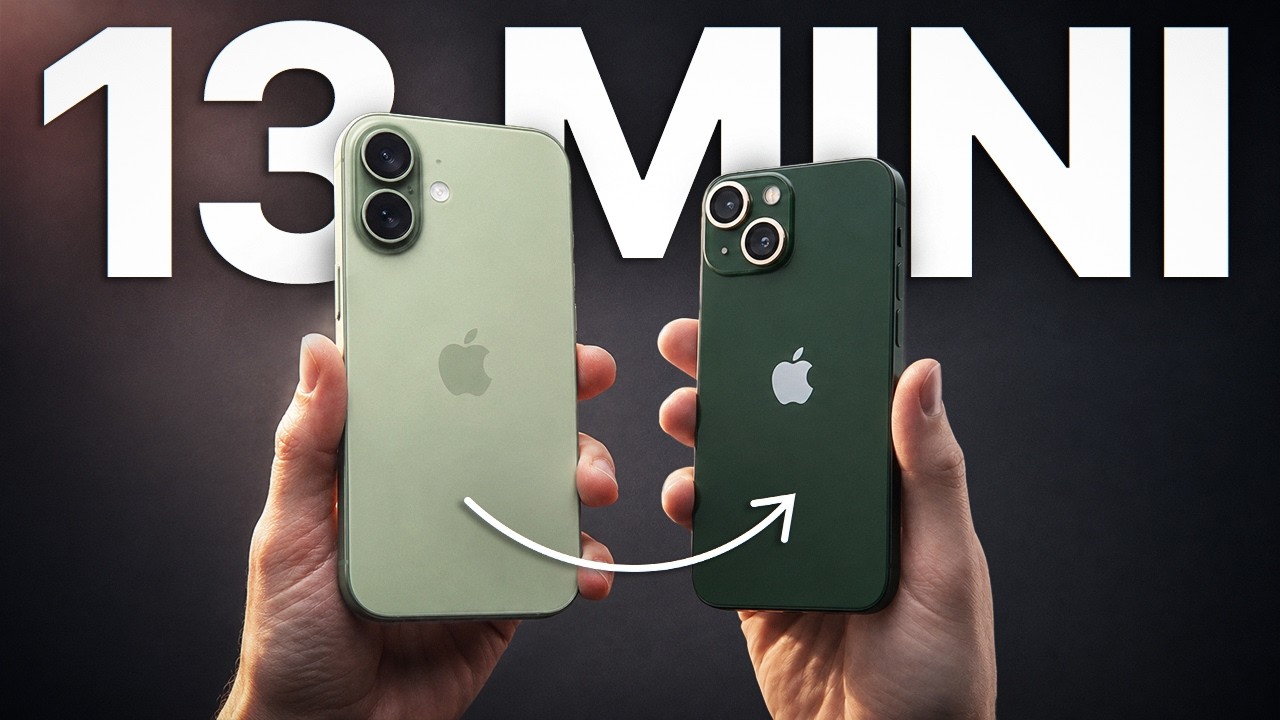
A small smartphone that Apple officially buried several years ago. Sales didn't meet corporate expectations, the line was permanently closed, and the industry's focus shifted entirely to huge screens. It seems the device should have been consigned to the museum of digital history long ago. Yet in 2026, against the backdrop of giant heavyweight flagships, the compact format unexpectedly shows a completely different side.
In recent months, the market has been flooded with fresh devices — iPhone 17, 17 Pro, 17 Pro Max, the futuristic ultrathin Air. Every time a new flagship is pulled from a pocket, there's a persistent thought about the excessive dimensions of modern technology. Smartphones have become openly bulky, heavy, and completely unsuitable for one-handed use. Mobile phones have closely approached the size of full-fledged tablets.
iPhone 17 at great prices






On tech forums and YouTube, a huge community of users has formed who deliberately ignore new releases in favor of the good old 13 mini. To test the viability of this approach in modern conditions, an experiment was conducted — a full week of living exclusively with the miniature device. Below are honest impressions about the relevance of the compact gadget in the era of seven-inch screens.
Forgotten Ergonomics and One-Handed Control
You pick up the device and instantly recall the long-forgotten feeling of absolute physical comfort. The smartphone fits completely and without remainder into a narrow jeans pocket, a tiny running waist belt, or a jacket pocket. Where a modern 17 Pro Max sticks out or pulls the fabric with its weight, the miniature device fits perfectly.
One-handed interface control triumphantly returns to everyday life. The thumb easily reaches any screen corner without repositioning the grip. Recording a long video message on the go, replying to an email with bags in hand, or switching a track during a run — all absolutely trivial tasks. It sounds banal, but after a week of using a compact device, returning to a huge display raises a legitimate question about the sense of carrying such a large object.
Visually, the little one is almost indistinguishable from current generations. Flat edges, Ceramic Shield protective glass, strict rectangular silhouette. Face ID works flawlessly. MagSafe charging works perfectly, and the leather wallets match the phone's width exactly, creating a monolithic construction. In terms of appearance, the device doesn't betray its considerable age at all.
Cameras Without Marketing Fluff
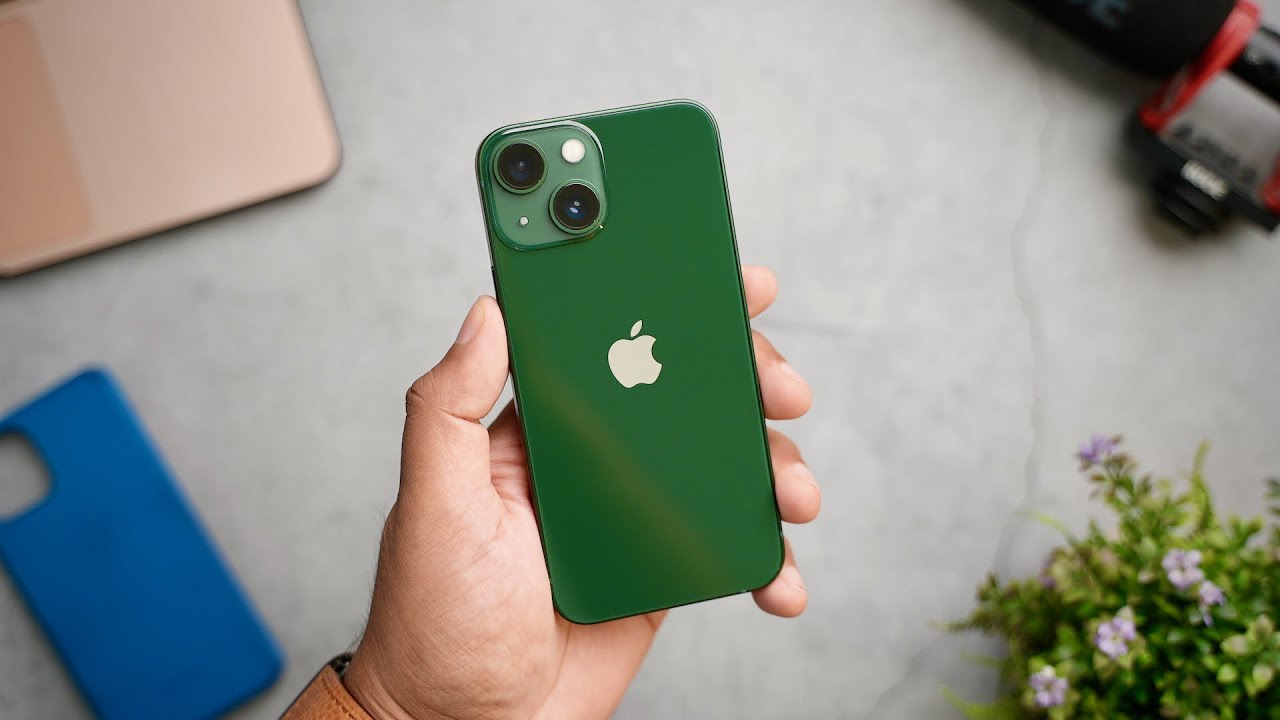
The built-in optical modules objectively fall short of modern multi-camera systems. On the back panel are just two lenses — main and ultrawide. No 48-megapixel sensors, powerful optical zooms, or ProRes Log professional format capability.
However, in practice, the main twelve-megapixel camera handles the overwhelming majority of everyday scenarios admirably. Take a vivid photo for social media, capture a memorable moment for a personal archive, scan a document, or send a photo to relatives in a messenger — the basic quality is more than enough. Smart HDR 4 computational photography algorithms pull shadows and fight overexposure well.
The industry trained buyers to believe that a huge sensor of the latest model is critically important for a good shot. In reality, the right composition, steady hands, and good lighting affect the outcome dozens of times more than the processor's computational power. Of course, a current flagship shoots steadier video and captures more detail in the dark. But for the average user, this difference is rarely a truly decisive factor.
Screen: When Age Takes Its Toll
The display clearly demonstrates the device's age. The bezels around the panel are noticeably thicker than current standards. At the top sits the classic wide notch eating useful space — no interactive Dynamic Island cutout. The popular always-on display feature is also absent due to hardware panel limitations.
The Super Retina XDR panel itself still delivers a gorgeous picture. 2340 by 1080 pixel resolution at a 5.4-inch diagonal provides phenomenal pixel density. The image is incredibly sharp, contrast is perfect thanks to OLED technology. The main problem lies in maximum peak brightness. Under direct sunlight outdoors, the screen noticeably dims, reading small text becomes uncomfortable. Indoors or in cloudy weather, the situation fully evens out.
The display refresh rate is limited to the base 60 Hz. For someone used to smooth ProMotion animations on modern flagships, the absence of 120 Hz sounds like a harsh sentence. But in real everyday use, the human brain adapts to the base refresh rate in a couple of hours, after which the visual discomfort completely disappears.
Battery Life as the Main Problem
Here begins the harsh territory of daily compromises. The small body physically can't accommodate a capacious battery. The laws of physics can't be tricked — the 2438 mAh battery melts before your eyes.
Active use of mobile internet, navigation, and social media rapidly drains the charge. VPN use accelerates the discharge several times over. In standby mode, the device can lose up to a third of its capacity simply lying overnight on the nightstand due to background processes in modern iOS versions. On one hand, weak battery life wonderfully cures digital addiction and endless feed scrolling. On the other — the need to constantly carry an external MagSafe battery pack is openly annoying.
When buying on the secondary market, finding a healthy battery is practically impossible. Any unit purchased today will require an immediate service center visit for a new original battery installation, otherwise the phone becomes a wired stationary device.

A15 Bionic Chip Under the Hood of New iOS
Running heavy 3D games on a 5.4-inch display is pointless — the device was created for different tasks. But even in basic usage scenarios, the old hardware periodically stumbles.
The phone heats noticeably after half an hour of high-resolution video watching or active messenger chatting. The compact body poorly dissipates heat from the A15 Bionic chip. When temperature rises, the system aggressively drops screen brightness to protect internal components.
The acute RAM shortage affects multitasking. Four gigabytes of RAM is openly insufficient for 2026 operating systems. Apps periodically unload from the background, requiring re-launch when switching. The interface remains smooth, but heavy programs sometimes hesitate for a fraction of a second. The processor's performance is enough for comfortable basic use.
Why the Industry Abandoned Compactness
After a successful experience with the miniature device, a logical question arises about why the corporation abandoned the lineup. Today the company has technologies that could easily solve the weak battery problem.
The appearance of high-density silicon-carbon batteries, demonstrated in the ultrathin device lineup, allows creating a powerful and long-lasting device in modest dimensions. Engineers finally have components that were critically lacking a few years ago. The energy efficiency of new three-nanometer processors would handle heat dissipation in a cramped body perfectly.
Alas, marketers chose a different vector of development. The global market, especially the Asian region, votes with its wallet for huge diagonals. The industry trend is set toward reducing device thickness, creating folding mechanisms — but not toward reducing the physical screen area. The return of classic compact smartphones in the coming years looks like a fantastic scenario.
Verdict: Who Needs the 13 mini in 2026
Hand on heart, recommending a four-year-old model in 2026 is only possible for a narrow layer of enthusiasts. The weak battery, processor throttling, and dimmed screen cancel out the ergonomics advantages for most mass consumers. The experiment ended with a natural return to the huge working tool that can hold a charge for a day and a half.
But the week spent helped crystallize an important thought. The tech industry has firmly imposed on buyers a stereotype about the direct dependence of size and quality. Huge displays, multi-tier camera blocks, monstrous batteries. In the endless pursuit of superior specs, manufacturers completely forgot about the basic physical comfort of using a gadget with living human hands.
The little pocket assistant became a perfect reminder of times when the phone served as an elegant communication tool, not a heavy screen for round-the-clock consumption of entertainment content. If the corporation ever decides to release an updated version in a similar form factor with a modern chip, a line of people tired of carrying heavy digital shovels will instantly form.
0 comments