

.png)




.png)


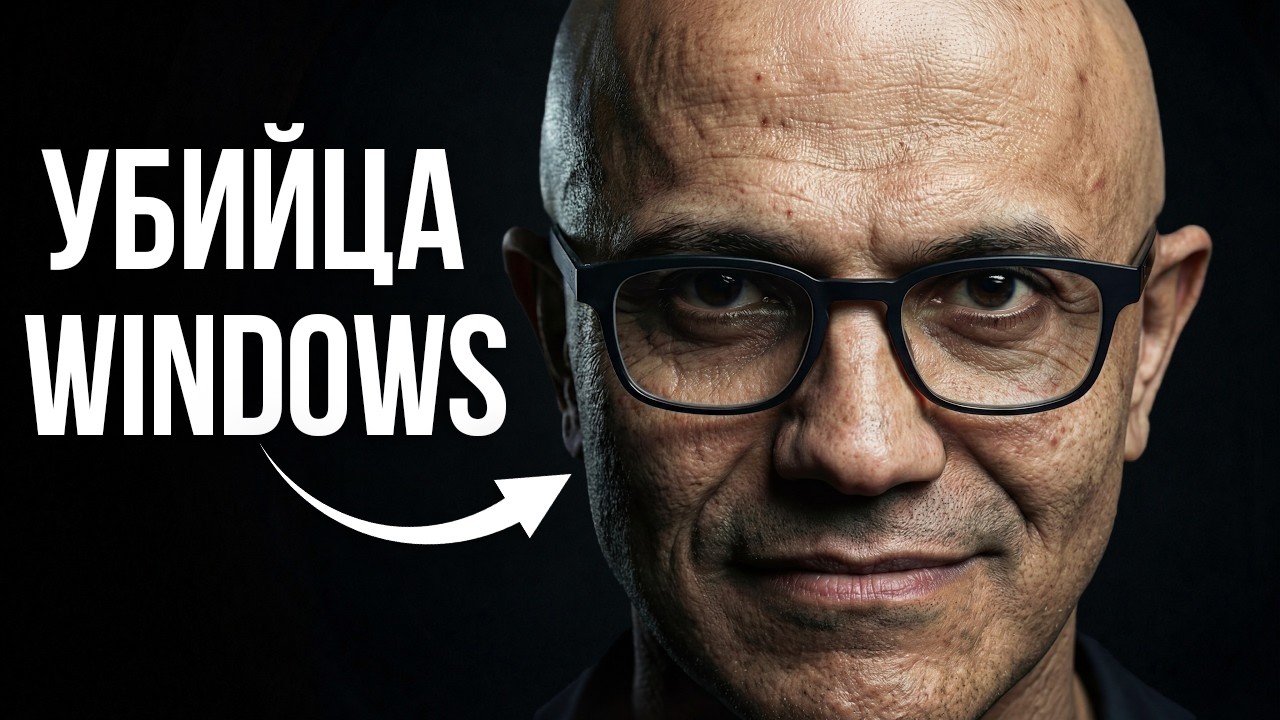
Most consider Satya Nadella a genius who pulled Microsoft back from the brink. Market capitalization grew tenfold, the company briefly became the most valuable on the planet. Business publications have been singing this man's praises for ten straight years.
Formally, all true. But while investors counted profits, the familiar operating system was slowly and methodically dying. And this death has a clear script and a specific director. We break down six mechanisms through which an ordinary computer was unnoticeably turned into a subscription showcase and a personal spy.
One Phrase That Explains Everything
Before breaking down specific points, one important fact from the executive's career must be understood. Nadella joined Microsoft back in 1992 but never worked on the consumer version of Windows. His entire experience lay in clouds: servers, databases, boring corporate contracts.
When Nadella took over the corporation in 2014, he immediately announced the company's new religion: "Cloud-first, mobile-first." Cloud and smartphones first. Notice what word is conspicuously missing? Right — the personal computer. For the new boss, the PC was from the start a dusty relic from the last century.
Keep this thought in mind, and all subsequent Windows metamorphoses instantly form a puzzle. The corporation long ago stopped trying to make your system more convenient. It's turning it into a terminal through which you reach the company's servers like a calf to a teat.
Forced Upgrade of a Quarter Billion Computers
Let's start with fresh pain that many felt in their wallets literally last year.
On October 14, 2025, Microsoft officially ended support for Windows 10. No more security updates, tech support gone. Want to keep sleeping peacefully — pay thirty dollars a year to extend the outdated system's life.
To make the migration to the new version as painful as possible, the company quietly slipped in a TPM 2.0 requirement back in 2021. This security chip is physically absent in most laptops produced before 2018. Formally, the old system still chugs along, but legally upgrading is impossible. The only option is buying new hardware.
The scale of the problem is impressive: by industry estimates, about 250 million working computers are now up for replacement. The most massive forced upgrade in IT history. Officially, it's all for your security. Security, of course. Yesterday your laptop worked perfectly, today it's suddenly "incompatible" with progress, and tomorrow you're already at the store shelling out for a new box.
Subscription Ads in a System You Already Paid For
Suppose the new computer is bought and unboxed. Let's see what happens next.
Open the Start menu — Game Pass ad. Open File Explorer — a banner urging you to try Microsoft 365 at the top. Go to the lock screen — asked to set up OneDrive cloud. The Edge browser after every major update persistently sets itself as default, completely ignoring your choice in favor of Chrome.
Agree, strange behavior for a system you officially paid for when buying the hardware. Compare with the competitor, macOS. Far from a perfect system, but there's physically no built-in advertising for paid services. Here, Microsoft shouts at you from the screen every day: "please buy this too."
Your Computer Reports on You from the First Second
Advertising can still be endured by disabling notifications in settings. The next point is already hidden deep under the system's hood.
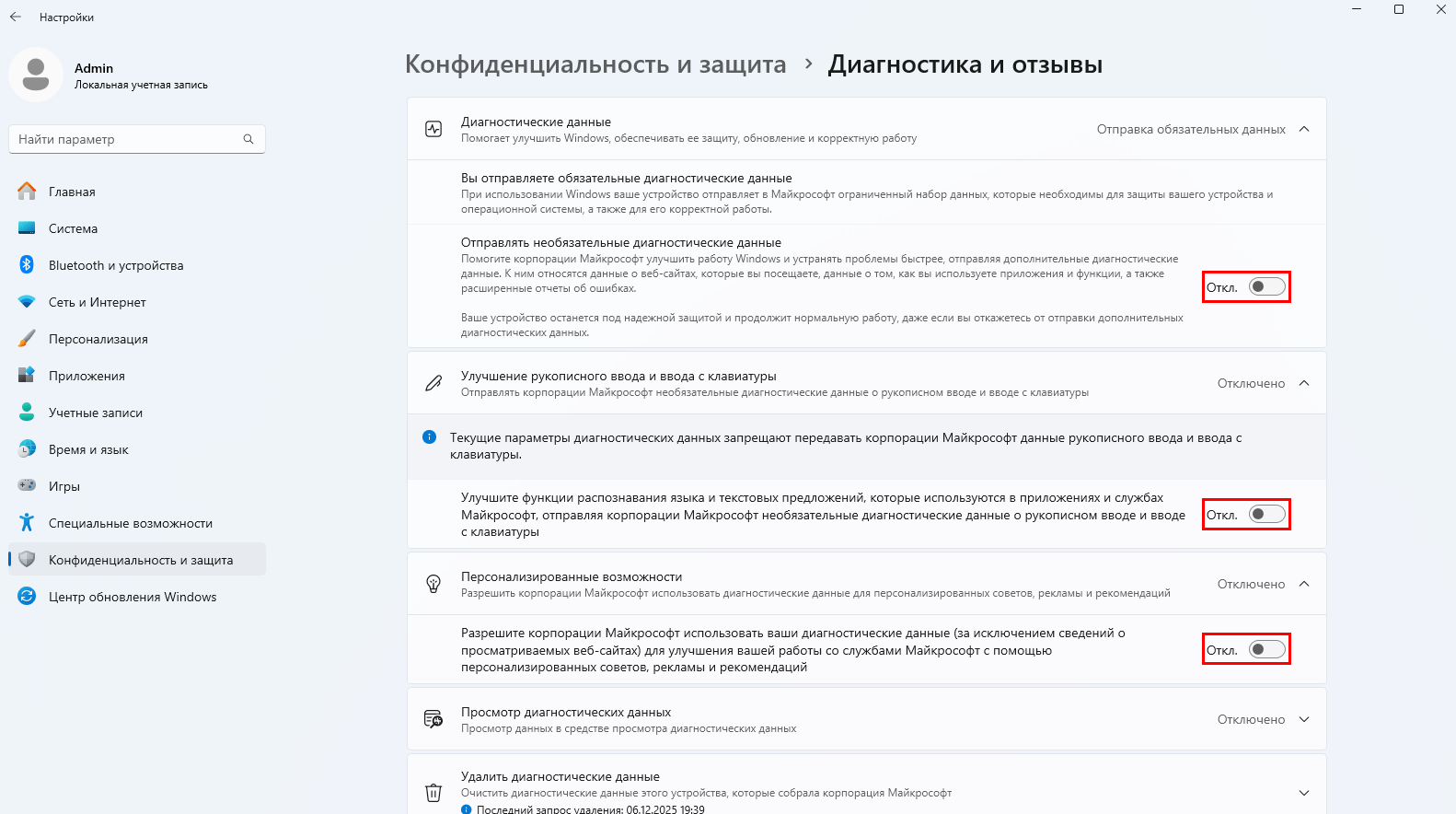
Little-known fact: a clean Windows 11 installation manages to send megabytes of data to Microsoft servers before you even open a browser. You just unboxed the laptop, entered your name, and are sitting looking at the desktop. Meanwhile, the system already sent a report: what processor model, what programs are installed, where you click with the mouse. It's beautifully called telemetry. But opting out with a single checkbox in settings somehow isn't possible.
The second part of the same story is the local account. Previously, during installation, you could create a user without internet and without an email, literally in a couple of clicks. Now this path is hidden so deep in the menu that nine out of ten users give up and enter their Microsoft email. The reason is as simple as street trading. An anonymous offline user is of no use to the corporation. No account means no data, no data means no ads, no ads means no money.
A telling detail to finish. There's a utility called Windows Debloater, created by independent enthusiasts to clean all the imposed junk from the system. In six years — over thirty million launches. Thirty million times people independently cleaned an operating system they already paid full price for.
The Subscription Empire as the Company's Main Engine
A logical question arises — why does the corporation need all this circus? The answer is short and explains everything else.
It used to be simple. You bought a box with a disc, installed the system, and it was yours forever. The corporation received money once and that was it. Nadella quickly realized that on such a model, a cloud empire can't be built. A one-time-paying client doesn't draw a financial report for shareholders.
That's why you're now surrounded by subscriptions. Office suite by subscription. Cloud storage by subscription. Teams messenger and Copilot AI — also subscription. In this logic, you're no longer a Windows buyer. You're a channel through which the corporation receives regular payments and your personal data. Every point above exists for exactly this purpose: advertising sells subscriptions, the mandatory account generates data, and the TPM 2.0 requirement literally forces you to buy a new computer with the fresh system on board.
Copilot, Which Can't Be Fully Disabled
In late 2022, ChatGPT came out, and Microsoft invested over ten billion dollars in OpenAI, declaring an AI race to the world.
The Copilot assistant started getting shoved literally everywhere: into Windows, Word, Teams, Edge, the taskbar. The real effectiveness of this assistant is a separate painful conversation. What's more interesting: you can't remove it from the system normally. You can disable the icon, remove the shortcut from the taskbar. But background processes still live in Task Manager and keep eating RAM, even when you don't touch it at all.
AI is being shoved into the system not because it's urgently needed by the average user for email work. The reason is purely financial: the corporation needs to justify enormous AI investments to investors. And for that, your familiar OS must become a demo showcase, whether you want it or not.
Recall — the Computer That Photographs Your Life
Everything above was a light warm-up before the main course. It was after this feature that many users seriously cooled toward the brand.
The presentation sounded beautiful: a personal agent that sees your screen, remembers everything you did, and instantly helps find what you need. Now for the substance. The feature takes a screenshot of your screen every few seconds without stopping. Personal messages, banking details, medical queries, entered passwords — all neatly stored in one big database right on your computer.
At the first demo in 2024, it turned out this database was stored in plain text without any encryption. Any random virus getting into the system would receive a complete photo chronicle of your life in a couple of clicks. The community raised a scandal, the release was rolled back, encryption and biometrics were added. Then it was quietly rolled out again in April 2025 on a new class of Copilot+ PC devices with a dedicated AI chip.
A small detail for full understanding of the moment's seriousness. Signal, the secure messenger known for its manic obsession with privacy, specifically built protection against exactly this surveillance feature. The same trick Netflix uses against screen recording during movie viewing is applied. When a secure messenger is forced to defend itself against your own operating system, that's a serious alarm bell for the entire industry.
What the Average User Gets in the End
Putting the whole picture together. For Nadella, cloud and AI were everything, and the personal computer was an unnecessary vestige of a past era. So Windows was methodically transformed from your personal tool into the corporation's tool.
The result is a terminal that collects telemetry, shows ads, pushes subscriptions, and now also takes screenshots of your screen for training someone else's neural networks. You're no longer the computer's owner. You're a renter in someone else's apartment. And a renter, as is known, doesn't make the rules.
Bill Gates once dreamed of putting a computer on every desk so that a person would be the master of their own data. Nadella made sure that every computer on every desk works for Microsoft's servers, and the person became a source of raw material for neural networks. The sign is the same, but inside it's long been a completely different company.
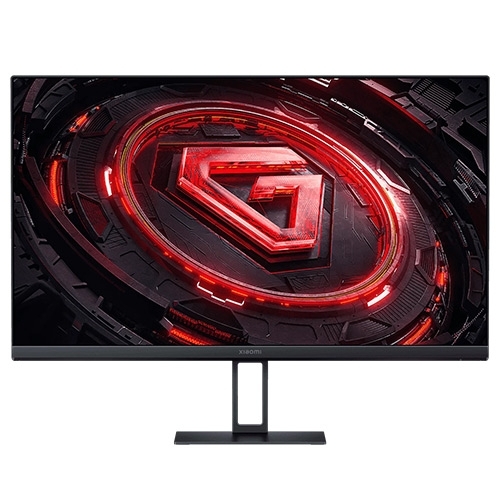
If the new system's security requirements force you to look for a replacement for old hardware, current laptop and desktop PC models with TPM 2.0 support are always available in our online store catalog.
0 comments